
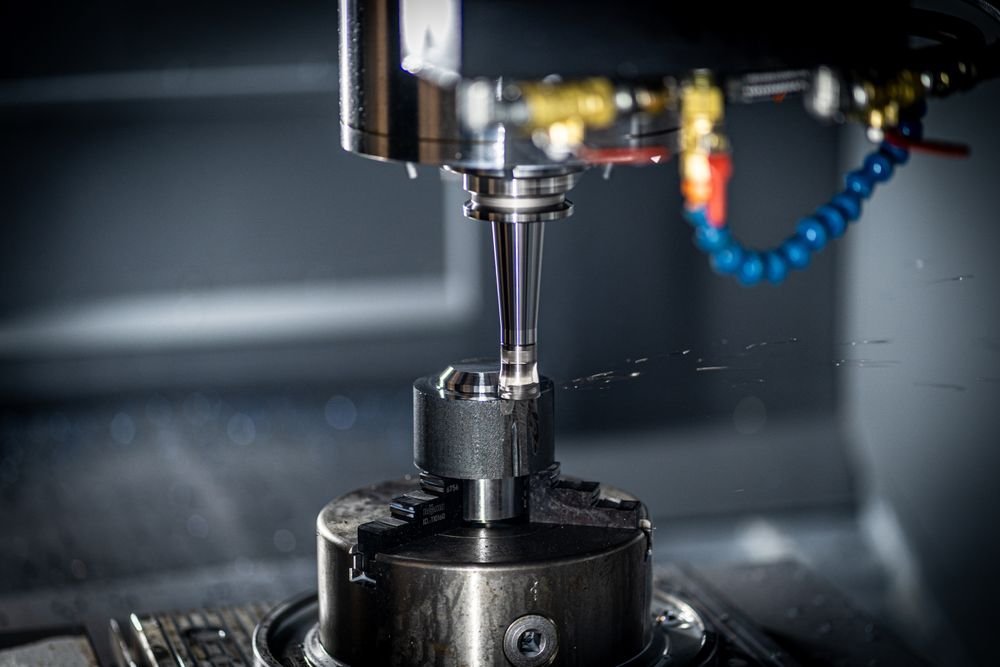
If you run a CNC machining operation, you already know the mist is a constant presence. Every time a spindle turns and coolant hits hot metal, fine droplets of oil and coolant become airborne. Over time, that mist settles on surfaces, coats equipment, and finds its way into workers’ lungs. Choosing the right mist collection system is one of the most impactful decisions a facility manager can make for both air quality and operational cleanliness. But choosing the right system starts with something a lot of shops skip entirely: properly sizing it for the application.
Getting the sizing right matters more than most people realize. An undersized unit struggles to keep up, leaving mist in the air and defeating the purpose. An oversized unit may seem like a safe bet, but it can create airflow issues, unnecessary energy costs, and filtration problems down the road. Neither outcome is acceptable when you are trying to run a clean, safe, and efficient shop floor.
This guide walks through the key factors that go into sizing a mist collector for a CNC machining center, so you can approach the decision with clarity rather than guesswork.
Start With the Machine Enclosure
Before anything else, think about the machine itself. CNC machining centers vary widely in size and enclosure type. A small vertical machining center with a fully enclosed cabinet behaves very differently than a large horizontal machining center with a partial enclosure or an open-architecture machine.
The first question to ask is whether the machine has an enclosed cabinet with a dedicated exhaust port. Most modern CNC machining centers do, and that simplifies sizing considerably. When a machine has a sealed enclosure, you are essentially capturing mist at the source before it ever has a chance to escape into the surrounding air. A mist collector can be mounted directly to the machine or positioned nearby to pull contaminated air from inside the enclosure.
If the machine is older, partially enclosed, or lacks a dedicated exhaust port, you are dealing with a more open-air collection challenge, and sizing requirements change accordingly.
Understand Airflow Requirements (CFM)
The most important number in mist collector sizing is CFM, or cubic feet per minute. This is the volume of air the collector needs to move to effectively capture mist at the source.
For a fully enclosed CNC machine with a standard exhaust port, CFM requirements typically range from 150 to 350 CFM per machine, depending on the application. High-pressure coolant systems, multi-spindle machines, and aggressive cutting operations produce more mist and require higher airflow to manage it effectively.
Here is a general starting framework:
Light-duty machining (low-speed cutting, minimal coolant): 150 to 200 CFM Standard CNC milling or turning (moderate coolant flow, typical shop conditions): 200 to 350 CFM High-pressure coolant systems or multi-spindle operations: 350 to 500 CFM or higher
These are starting ranges. The actual number for your facility depends on several other variables that we will cover below.
Factor in the Type of Coolant or Cutting Fluid
Not all coolants behave the same way in the air. The type of cutting fluid you use has a direct impact on the kind of mist produced and how difficult it is to capture and filter.
Water-soluble coolants produce a mist that is relatively larger in droplet size and somewhat easier to capture with standard centrifugal or coalescing filter media. These are common in general machining environments.
Straight cutting oils produce finer aerosol-like mist with smaller droplets that are harder to capture and more likely to pass through basic filtration. If your operation uses straight oil or synthetic oil-based coolants, you will likely need a mist collector with a more advanced filtration stage, such as a coalescing filter or a HEPA final stage filter.
Synthetic and semi-synthetic coolants can produce a finer mist than water-soluble options, depending on concentration and application method. These often require a multi-stage filtration approach.
Knowing your coolant type upfront helps you match not just the CFM rating of the collector, but the right filter media inside it.
Consider the Application Intensity
How hard are you pushing your machines? That question matters a lot in mist collector sizing.
A shop running soft aluminum at low speeds and low coolant pressure generates a very different mist load than a shop running hardened steel at full coolant blast on every cycle. High-speed machining, deep hole drilling, and aggressive multi-axis cutting all push more coolant into the air and increase the concentration of mist inside the machine enclosure.
This is where many facilities get into trouble. They size based on the machine’s enclosure volume or a generic recommendation, without accounting for how aggressively the machine is actually being run. When the real-world mist load exceeds what the collector was sized for, the filters saturate faster, the unit runs less efficiently, and air quality suffers.
If your operation is production-intensive, always size up from the baseline recommendation rather than cutting it close.
Single-Machine vs. Multi-Machine Collection
There are two basic approaches to mist collection in a machining environment: dedicated units on individual machines, or a centralized system that serves multiple machines through ductwork.
For most CNC machining centers, a dedicated unit per machine is the more practical and effective approach. It keeps collection at the source, reduces the complexity of ductwork design, and makes it easier to match the collection capacity to each specific machine’s needs.
Centralized systems can make sense in larger facilities with many machines running similar operations, but they require careful duct design and balancing to make sure every machine gets adequate airflow. If one machine runs significantly harder than others, a centralized system may not distribute collection effort appropriately without additional design work.
For facilities with a mix of machine types and cutting operations, individual units are usually the cleaner solution, both literally and from a systems design standpoint.
Think About Filtration Stages
A mist collector is not just a fan. It is a filtration system, and the stages of filtration inside the unit matter for both performance and maintenance frequency.
Most industrial mist collectors use a combination of the following:
First stage: Inertial or centrifugal separation. Large droplets are spun out of the airstream and drained. This stage handles the bulk of liquid mist and protects downstream filter media from premature loading.
Second stage: Coalescing filter media. Finer droplets are captured and allowed to drain. This stage handles the mid-range aerosol particles that get past the first stage.
Third stage: Fine or HEPA filtration. For applications where very fine particles remain, a final filter stage captures sub-micron particles before clean air is returned to the space.
If you plan to return filtered air to the facility rather than exhausting it outdoors, a final-stage HEPA filter is worth the investment. It provides a measurable level of protection against the finest contaminants and gives you peace of mind when recirculation is part of the design plan.
Account for the Physical Installation
Even a perfectly sized mist collector will underperform if the installation is not set up correctly. A few practical points worth considering:
Mounting location: Ideally, the collector mounts directly to the machine exhaust port or as close to it as possible. The shorter the distance between the mist source and the collector inlet, the better the capture efficiency.
Duct sizing: If there is any ductwork between the machine and the collector, it needs to be sized appropriately to avoid restricting airflow. Undersized duct reduces effective CFM at the collection point.
Drainage: Liquid collected by the unit needs somewhere to go. Make sure the installation plan includes a way to drain collected coolant, either back to the machine sump or to a collection container that gets emptied on a regular schedule.
Filter access: Filters need to be changed. Position the unit so that filter maintenance is straightforward and accessible. A collector that is hard to service is a collector that will not get serviced on schedule, which means degraded performance over time.
Common Sizing Mistakes to Avoid
A few patterns show up repeatedly in shops that end up with underperforming mist collection setups:
Relying on machine horsepower alone. Horsepower tells you nothing meaningful about mist generation. Focus on coolant type, pressure, and application intensity instead.
Using a single unit to cover multiple machines without proper design. Unless the system is engineered for multi-machine coverage, splitting airflow between machines usually means none of them get adequate collection.
Ignoring filter maintenance intervals in the sizing process. If a system requires filter changes every few weeks under actual operating conditions, that is a sign the unit was undersized for the mist load.
Assuming bigger is always better. More airflow than the machine enclosure can supply creates negative pressure problems and can even pull mist out of the enclosure into the surrounding area rather than capturing it cleanly.
Getting the Sizing Right the First Time
CNC mist collection is one of those areas where a little time spent on the front end saves a lot of frustration later. The right approach is to look at the actual machine, the actual cutting application, the coolant type, and the operating intensity together, and then match a collector with the CFM capacity and filtration stages that fit the real-world conditions.
If you are unsure where to start, working with an experienced air quality solutions provider can help you avoid common sizing mistakes and find a system that performs the way you need it to from day one. The goal is clean air, lower maintenance burden, and a shop floor that stays productive without the hidden costs that poorly managed mist creates over time.