
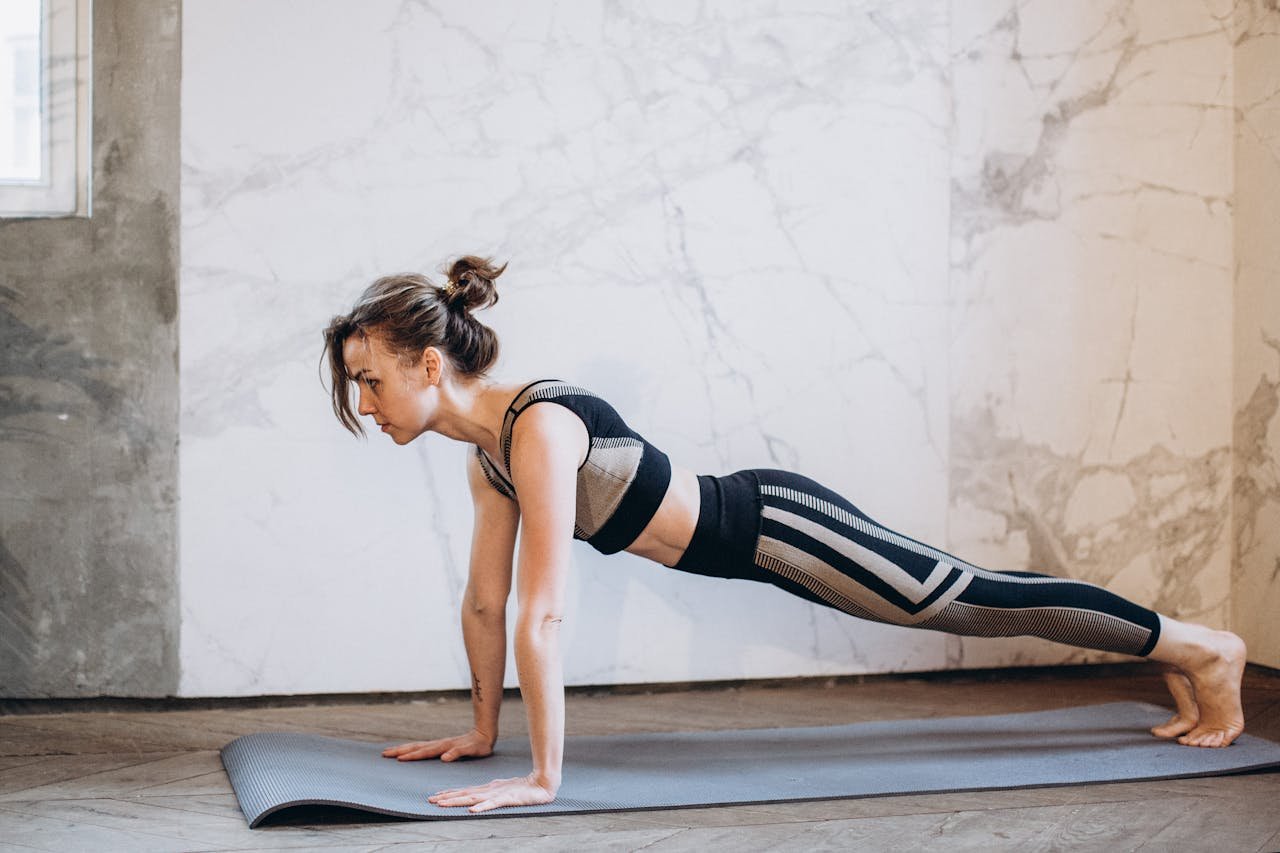
Thespoonathletic Fitness Tips give you simple and clear ways to build a strong core. A strong core supports balance, posture, and daily movement. You use your core for everything you do. You feel the difference when your core stays firm, stable, and active. This guide explains how to train your core with easy steps that fit into your day.
You can use these tips at home, in the gym, or while doing your regular tasks. The aim is to help you grow strength with movements that stay safe and effective. Thespoonathletic Fitness Tips focus on slow progress so your body adapts without strain.
Understanding the Core
The core includes the muscles around your stomach, lower back, and hips. These muscles work together to keep your body steady. A strong core supports your spine and helps you move with ease.
You use your core when you stand, walk, lift, carry, bend, and sit. Weak core muscles can cause discomfort or tightness. Strong core muscles reduce tension and support smooth daily movement.
Why Core Strength Matters
A strong core gives you better control of your body. You feel more stable. You feel more aligned. You stay more active during the day. These benefits improve your health and reduce the risk of injuries.
Good core strength helps you manage posture, lift objects safely, stay balanced during movement, reduce lower back strain, support clean breathing patterns.
Strong core muscles help you in exercise as well. Your workouts feel more controlled. Your movements stay cleaner. You avoid unnecessary pressure on your joints.
Thespoonathletic Fitness Tips for Core Strength
These tips help you understand how to train your core in a steady and safe way.
Start with Simple Movements:
You do not need advanced exercises in the beginning. You can start with basic movements that activate your core gently. This helps your body learn how to engage the muscles correctly. Slow progress gives you long lasting results.
Focus on controlled breathing:
Breathing guides your core. You inhale and expand, then exhale and tighten. This helps your body stay in good form.
Maintain steady posture:
Your back stays straight. Your shoulders stay relaxed. Your core stays tight.
Increase training time slowly:
Start with short sessions and increase time as your muscles grow stronger.
Beginner Core Exercises
Plank
You place your forearms on the floor. Keep your body in a straight line. Hold the position. This exercise activates the entire core.
Glute bridge
Lie on your back. Bend your knees. Lift your hips. Squeeze your core and lower slowly. This helps your lower back and hips.
Dead bug
Lie flat on your back. Lift your arms and legs. Move opposite arm and leg slowly toward the floor. This helps your coordination and balance.
Side plank
Lie on your side. Lift your body using one arm. Keep your hips lifted. This targets your side core muscles.
Each movement teaches your body control. These exercises prepare your core for more advanced routines.
Intermediate Core Exercises
After a few weeks, your core becomes stronger. You can try more challenging movements.
Mountain climbers
Stay in plank position. Move one knee toward your chest. Switch legs quickly. Keep your core tight.
Leg raises
Lie on your back. Lift your legs together. Lower slowly without touching the floor. This targets your lower stomach muscles.
Russian twists
Sit down. Lift your feet slightly. Rotate your waist left and right. Keep your back straight.
Bicycle crunch
Lie flat. Move elbows to opposite knees in a smooth pattern. This supports the entire core.
These movements add intensity. They help you burn calories and strengthen muscles at a faster rate.
Advanced Core Exercises
If you follow Thespoonathletic Fitness Tips for a longer period, your strength improves. You can try advanced movements.
Hanging leg raises
Hold a bar. Lift your legs slowly. Engage your core.
Plank walk
Move your hands forward and backward while staying in plank position.
Weighted sit ups
Hold a light weight on your chest and sit up slowly.
V ups
Lie flat. Lift your arms and legs at the same time to meet in the center.
These movements need control. Use them only when your body feels ready.
Daily Habits to Strengthen Your Core
You can train your core even without a workout. Small habits make a big difference.
Sit with straight posture
Avoid leaning. Keep your back tall and your core active.
Stand with balance
Place weight evenly on both feet.
Walk with steady steps
Engage your core lightly while walking.
Lift objects safely
Bend your knees. Keep your stomach tight.
Use your breathing
Inhale through your nose. Exhale through your mouth. Tighten your core gently.
Small daily habits help your core stay active throughout the day.
How to Avoid Mistakes in Core Training
Do not hold your breath
Breathing helps your core activate safely.
Do not rush movements
Slow and clean movement gives better results.
Avoid overtraining
Give your muscles time to recover.
Do not curve your back
Curving adds pressure on your spine. Keep your back straight.
Avoid heavy weights at the start
Strength builds slowly. Start light. Increase weight with time.
How Long It Takes to See Results
You can feel changes in two to three weeks with steady practice. Your posture improves. Your movement feels smoother. Your core feels more active.
Visible results may take longer. This depends on routine, food choices, and consistency. Small progress adds up with time.
How Thespoonathletic Fitness Tips Improve Training
The tips help you train with clarity, avoid mistakes, stay consistent, use safe movement, build strength that lasts.
Simple steps keep your mind focused and your body aligned. You gain confidence with each session.
Food Habits That Support Core Strength
Protein rich meals
Protein helps muscle repair.
Healthy fats
These support stable energy.
Fresh fruits and vegetables
These add vitamins that support muscle function.
Water intake
Staying hydrated keeps you active during workouts.
Balanced meals improve training results.
How to Stay Motivated
Set small goals
Short goals help you track progress.
Record your workouts
This helps you stay consistent.
Train with music
Music keeps your energy steady.
Celebrate small progress
This keeps you motivated.
Your focus grows with each improvement.
Frequently Asked Questions
What are the most effective core exercises?
Planks, leg raises, and glute bridges stay effective for most people. These movements activate deep muscles and improve overall strength.
How often should I train my core?
Three to four days per week works for most people. Your muscles need rest between sessions so they can recover and build strength.
Can beginners follow Thespoonathletic Fitness Tips?
Yes. The tips use simple and clear steps suitable for beginners. Each movement focuses on form and slow progress.
How long should I hold a plank?
Start with ten to fifteen seconds. Increase time with practice. Good form always matters more than long duration.
Do I need equipment to train my core?
No. You can start with body weight exercises. Later, you can add weights if you want more challenge.
How do I avoid back pain while training?
Keep your back straight. Do not rush movements. Engage your core lightly. Stop if you feel discomfort.
Can core exercises improve posture?
Yes. Strong core muscles support your spine. This helps you stand and sit with better alignment.