
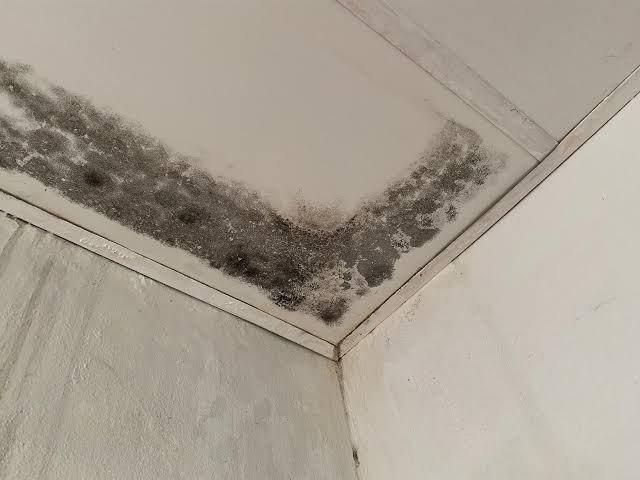
Most people don’t pay much attention to mould in the beginning. The process begins with a small patch that appears at the ceiling line and develops behind furniture and in damp bathroom corners. Some people simply wipe it away and move on because they believe it requires only minor cleaning work.
But after some time, the mould comes back again. The room starts smelling damp, the walls look stained and sometimes people living in the house start sneezing more often or feeling uncomfortable indoors without knowing the reason.
This is one of the reasons why discussions about mould allergy issues are much more prevalent nowadays, particularly in homes with moisture or ventilation difficulties. Long-term indoor moisture can gradually deteriorate the property’s condition and the comfort of its occupants, even if mould may initially appear harmless.
In many cases, recurring mould problems require proper mould remediation instead of just surface cleaning to stop the issue from returning over and over again.
Mould Is More Common Than People Realise
Mould grows naturally in damp environments. In humid conditions, it spreads fast, especially in places where moisture stays trapped for longer periods. Common areas where mould appears include:
- Bathroom ceilings
- Kitchen corners
- Air-conditioned bedrooms
- Behind cupboards
- Around windows
- Damp walls or ceilings
At first, the mould may only appear as tiny black dots or light patches. But over time, it slowly spreads across surfaces if the moisture problem continues.
Many homeowners don’t realise that the visible mould is often only part of the issue. Hidden dampness behind walls or ceilings may already be creating the perfect environment for mould growth underneath the surface.
What Happens During a Mould Allergy?
A mould allergy happens when someone becomes sensitive to mould spores present in the air. Mould releases microscopic spores that spread through indoor spaces without being visible. The people who walk through mould-infested areas show different reactions. People who have mould sensitivity usually experience the following symptoms:
- Sneezing
- Runny nose
- Watery eyes
- Nasal congestion
- Coughing
- Throat irritation
Mould issues can sometimes remain hidden for a long period as these symptoms sometimes resemble dust allergies or seasonal allergies. Some people don’t realize the link until they leave the wet surroundings & notice that they feel better.
Humidity Creates the Perfect Environment for Mould
One of the biggest reasons mould develops indoors is excess moisture in the air. In humid climates especially, rooms can hold moisture even when everything looks clean and dry. This usually happens in:
- Bathrooms after hot showers
- Closed bedrooms with AC running constantly
- Kitchens during cooking
- Rooms with poor airflow
When moisture stays trapped for too long, ceilings & walls slowly absorb dampness. Over time, mould starts growing on these surfaces. That’s why homes with poor ventilation struggle with recurring mould problems.
Why Mould Keeps Returning After Cleaning
A lot of people clean mould repeatedly but notice it keeps coming back after a few weeks or months. This happens because cleaning the surface does not always solve the actual problem. Mould usually grows because of:
- Hidden moisture
- Condensation
- Water leaks
- Poor ventilation
- High humidity levels
If the moisture source remains untreated, the mould often returns no matter how many times the wall is cleaned or repainted. This is why proper mould remediation is often necessary for long-term results.
Mould Remediation Is More Than Just Cleaning
People sometimes assume mould remediation simply means scrubbing mould off the wall, but it involves much more than that. Professional mould remediation focuses on finding out why the mould appeared in the first place. This may involve:
- Identifying hidden moisture
- Inspecting leaks or damp areas
- Improving airflow
- Removing contaminated materials when necessary
- Treating affected surfaces properly
- Preventing future mould growth
The goal is not just to make the wall look clean again. It is to stop the environment that allows mould to grow repeatedly.
Air-Conditioners Can Also Contribute to Mould Problems
Many homeowners are surprised to learn that air-conditioners can sometimes worsen indoor mould issues. If AC systems are not maintained properly, they may:
- Produce condensation
- Trap moisture
- Leak water slowly
- Create damp corners near ceilings
This is especially common in bedrooms where the air-conditioner runs for many hours every day while windows remain closed. Over time, the room becomes humid in hidden areas, even if it still feels cool and comfortable.
Bathrooms and Kitchens Need Extra Attention
Bathrooms and kitchens naturally create more moisture than other parts of the home. Steam from showers and cooking releases water vapour into the air daily. Without proper ventilation, that moisture settles onto ceilings and walls. This is why mould often appears:
- Above showers
- Near sinks
- Around exhaust fans
- In ceiling corners
If left untreated, the mould slowly spreads wider and becomes more difficult to manage later.
Small Signs Shouldn’t Be Ignored
Mould problems usually begin quietly before becoming serious. Some early warning signs include:
- Tiny black spots on walls or ceilings
- Peeling paint
- Yellow stains
- Damp smells
- Recurring mould after cleaning
These signs often mean moisture has already been building up inside the room for quite some time. Addressing the issue early is usually much easier than waiting until the mould spreads across larger areas of the home.
Prevention Makes a Big Difference
The best way to reduce mould issues is by controlling indoor moisture before mould starts spreading. Simple habits can help a lot, such as:
- Opening windows regularly
- Using bathroom exhaust fans
- Cleaning air-conditioners properly
- Fixing leaks quickly
- Allowing better airflow indoors
Even small improvements in ventilation can help reduce dampness inside the home.
Final Thoughts
Mould problems are extremely common in homes today, especially in spaces where moisture and humidity remain trapped for long periods. While many people see mould as only a cosmetic issue, ongoing exposure to damp indoor environments may contribute to mould allergy discomfort for some individuals.
The important thing to understand is that mould usually returns when the underlying moisture problem is ignored. Surface cleaning may improve appearance temporarily, but proper mould remediation focuses on solving the real cause of the issue.
With better ventilation, regular maintenance & early attention to dampness, homeowners can often prevent mould from becoming a larger and more frustrating problem later on.