
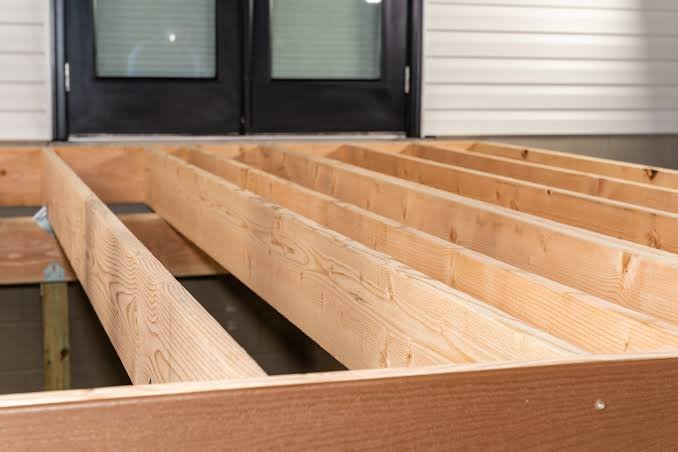
A deck may look simple once its finished, but honestly the whole strength of the structure depends on what’s going on underneath. One of the most important parts in any deck frame is the beam spacing. If those beams are not set with the right spacing, the deck can start feeling weak, uneven or even wobbly over time.
A lot of people focus mostly on how the decking boards look, the railings or the finished design, but the supporting arrangement under it matters just as much. Even a deck that was built well can still get into trouble later if the framing was not planned properly from the start.
That’s why understanding decking beam spacing is important before beginning any deck construction project, whether it’s a small garden deck or a larger raised platform.
What Deck Beams Actually Do
Deck beams are the main horizontal supports that help carry the weight of the deck structure. They work together with posts and joists to distribute the load evenly and keep the deck stable. Without properly positioned beams, the deck frame would not have enough support below. Over time, this could lead to sagging, movement, loose boards or structural weakness.
The beam layout also affects how strong the joists remain across longer spans. If the spacing between beams is too large, the joists may flex more than they should when people walk across the deck. This is why beam spacing is never just about fitting materials together. It directly affects the overall safety & durability of the structure.
Why Beam Spacing Matters So Much
One of the biggest mistakes people make during deck construction is assuming wider spacing will save time or materials without affecting the structure.
In reality, incorrect beam spacing can create several problems later on.
The deck may start bouncing slightly underfoot, certain areas may feel less stable or the boards may gradually become uneven as the structure settles. In more serious situations, excess strain on the joists can shorten the lifespan of the entire deck frame.
Proper beam spacing helps spread weight evenly throughout the structure. This becomes especially important for larger decks, raised decks or areas expected to hold heavier loads like outdoor furniture, planters or groups of people.
Even weather conditions can affect the structure over time. Constant exposure to rain, moisture & temperature changes naturally put pressure on timber framing, which is why proper support underneath matters from the beginning.
Beam Spacing Depends on More Than Just Size
A lot of people search for one standard measurement for decking beam spacing, but there isn’t a single answer that works for every project. The correct spacing depends on several factors, including:
- The size & layout of the deck
- The type of timber being used
- Joist dimensions
- Weight requirements
- Ground conditions
- Whether the deck is raised or ground level
For example, a small residential deck may require a completely different support layout compared to a larger commercial decking area.
Longer joist spans usually require stronger beam support underneath. Heavier loads may also mean beams need to be positioned closer together to reduce movement across the frame. This is why proper planning is important before construction begins rather than estimating measurements during the build.
The Relationship Between Beams and Joists
Many people confuse joist spacing & beam spacing, but both play different roles within the deck structure. Joists are the repeated horizontal supports that sit across the beams & support the decking boards above. Beams carry the load from those joists & transfer it down into the posts & foundations below.
Because these components work together, changing the beam spacing can also affect the joist requirements. If beams are placed too far apart, the joists may need to span longer distances than intended. Over time, this can increase movement & place extra stress on the timber.
A properly designed frame keeps all these structural elements balanced so the weight is distributed evenly across the deck.
Poor Beam Spacing Often Causes Problems Later
One reason structural issues appear in older decks is because the original support layout was not designed properly for long-term use.
At first, the deck may seem perfectly fine. But after years of weather exposure & regular use, weaknesses in the framing can start becoming noticeable. Common signs of poor structural support include:
- Deck boards feeling bouncy
- Visible sagging in certain areas
- Uneven surfaces
- Loose connections
- Cracking timber
- Movement when weight is applied
In some cases, these problems begin slowly & become more noticeable each year. Repairing structural deck problems later is often much more expensive than building the frame correctly from the start.
Why Proper Planning Matters Before Construction
A strong deck starts long before the boards are installed.
Planning the beam layout correctly helps ensure the deck can safely support weight, remain level over time & handle changing weather conditions properly. It also helps avoid future repairs caused by movement or structural weakness underneath the frame.
This becomes especially important for raised decks or larger structures where the load requirements are greater.
Many professional builders carefully calculate beam placement before construction begins rather than relying on rough estimates during installation. Small measurement mistakes underneath the structure can create much larger problems later once the deck is fully completed.
Building Regulations and Structural Safety
Depending on the size & height of the deck, certain projects may also need to follow local building regulations or structural requirements.
These rules are usually designed to ensure the deck has proper support, stability & load-bearing strength for long-term safety. Factors like beam sizing, post placement, joist spans & foundations may all need consideration during the planning stage.
This is another reason why structural layout matters just as much as the finished appearance of the deck itself.
Final Thoughts
Decking beam spacing plays a big role in how strong & steady a deck feels overall. Sure, the finished boards and the design are what most people notice first, but the support frame underneath is what actually keeps it safe & durable, especially as time goes by.
If the spacing is off, it can cause annoying movement, some sagging, and other structural issues later on. This gets even more noticeable as the deck ages, plus it has to deal with usual weather exposure too.
Planning the layout the right way really helps the load get distributed evenly, so the framing stays firm, basically for years and years. Whether you’re making a small garden deck or building a bigger raised platform, getting the beam spacing right from the start is one of the most important steps in the whole project.